Краткий ответ: Документы качества косметики должны связывать одобренный продукт с его версией формулы, идентичностями компонентов, серией, проверками выпуска и любыми необходимыми рыночными файлами. Покупателям нужен список документов, специфичных для проекта, а не общая папка сертификатов, которые не идентифицируют купленный SKU.
Запрос документов по назначению
| Назначение | Возможный документ | Проверка покупателя |
|---|---|---|
| Определить продукт | Спецификация готового продукта и одобренная ссылка | Соответствует ли это купленной формуле и упаковке? |
| Отследить производство | Идентичность партии и производственные записи | Может ли поставщик связать выход с материалами и процессом? |
| Поддержать выпуск | Применимые результаты тестов или сертификат анализа | Связаны ли тесты и пределы со спецификацией? |
| Контроль изменений | Процесс пересмотра и уведомления об изменениях | Будут ли изменения материалов проверены перед отправкой? |
Документы качества косметики для файла покупки
Точный файл зависит от продукта, рынка, контракта, формулы и роли покупателя. Запросите актуальную декларацию ингредиентов, инструкции и предупреждения, спецификации упаковки, план тестирования или результаты, если применимо, одобрение этикетки, доказательства выпуска партии и контакты для жалоб.
Подтвердите названия документов, язык, дату пересмотра, идентичность продукта и сторону, выдавшую документ. Документ для аналогичной основы или старой упаковки может не поддерживать окончательный SKU.
Используйте контрольную систему поставщика в качестве доказательства
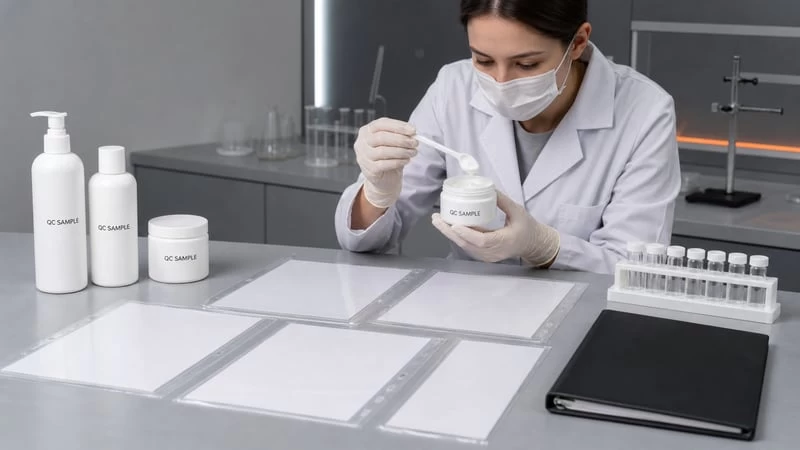
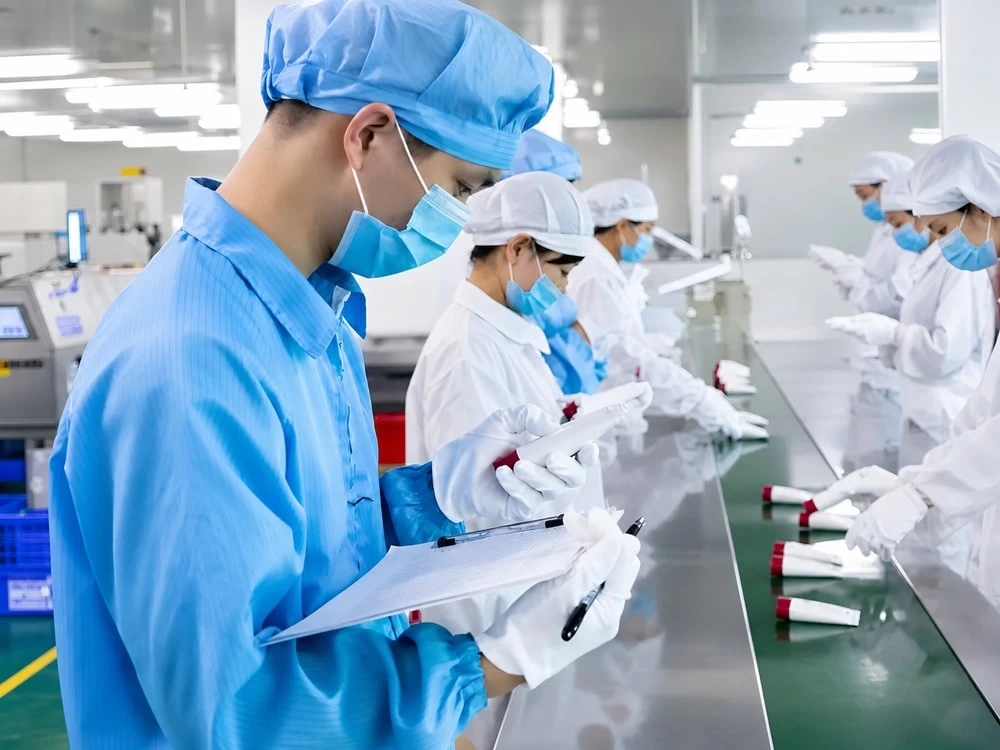
Контрольный список инспекции GMP косметики FDA обсуждает сырьё, письменные инструкции по производству, контроль в процессе, лабораторный контроль, записи, маркировку и файлы жалоб. Покупатели могут использовать эти категории для организации вопросов к поставщику, не утверждая, что один контрольный список заменяет аудит, специфичный для продукта.
Запросите достаточно информации, чтобы понять, как обрабатываются отклонения, отклоненные материалы, переработка, возвраты и жалобы. Конфиденциальные формулы могут быть защищены, при этом определяя обязанности и доказательства.
Ошибки в документах, создающие ложное доверие
- Принятие просроченных или нерелевантных сертификатов
- Несоответствие продукта, партии, упаковки или имени поставщика
- Рассмотрение рекламной брошюры как технического доказательства
- Неопределённые методы тестирования или предельные значения приемлемости
- Не назначение ответственности за файлы и обновления для рынка США
Часто задаваемые вопросы покупателей
Достаточен ли сертификат анализа?
Ни один отдельный документ не охватывает одобрение формулы, упаковку, маркировку, контроль изменений, выпуск и рыночные обязательства. Создайте файл, специфичный для проекта.
Могут ли покупатели запросить полную формулу?
Раскрытие формулы зависит от соглашения и нормативных требований. Определите, что требуется ответственным сторонам и как будет обрабатываться конфиденциальная информация.
Следует ли запрашивать документы до первого заказа?
Определите необходимый список во время квалификации поставщика и подтвердите окончательные версии перед выпуском или отправкой, если это применимо.
Как контролируются изменения документов?
Запросите номера версий или даты, статус одобрения, уведомление об изменениях и метод замены устаревших копий.
Что делать, если требуемый параметр недоступен?
Не выдумывайте его. Зафиксируйте пробел, его влияние, ответственную сторону и когда он должен быть решён.
Отправьте проектное задание, готовое для оценки
Чтобы подготовить запрос на документы, укажите тип продукта, статус окончательной формулы и упаковки, целевой рынок, роли покупателя и владельца этикетки, необходимые тесты, количество заказа, место назначения, план инспекции и срок для коммерческого файла.