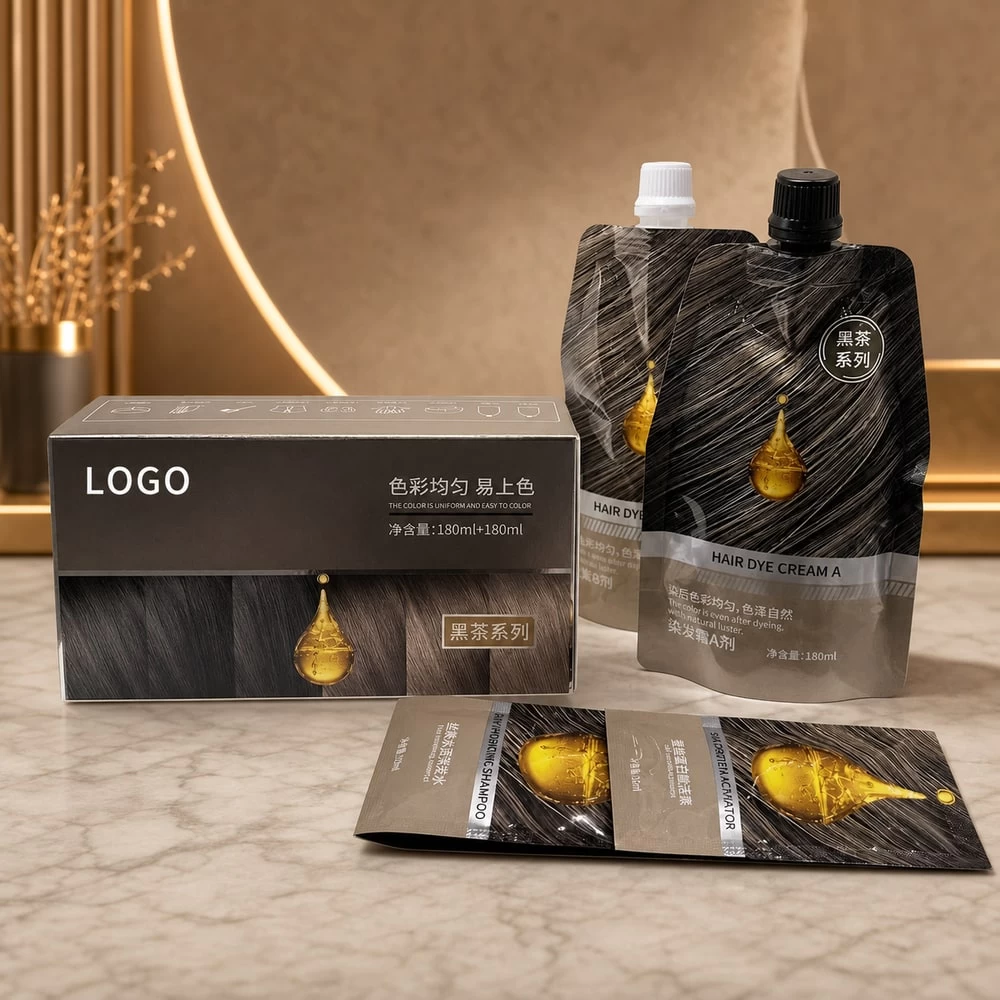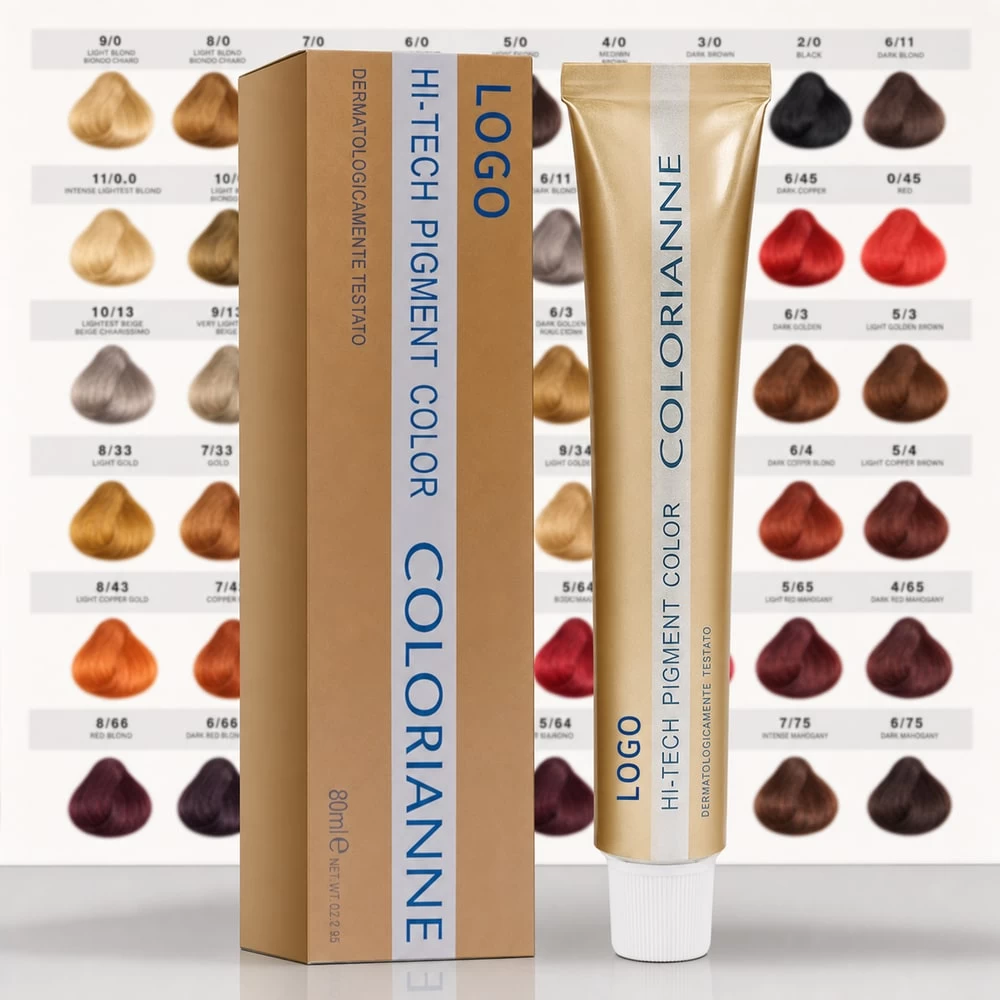
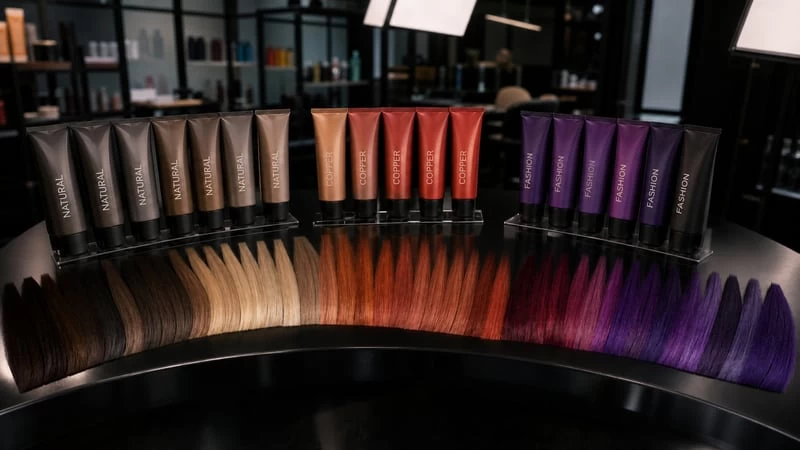
Краткий ответ: Оптовая палитра оттенков волос должна удовлетворять четким потребностям клиентов, не создавая слишком много SKU с низким объемом. Покупателям нужна архитектура семейства оттенков, определенные начальные условия, физические ссылки, контролируемое наименование, различия в упаковке и план заказа, который признает каждый оттенок как отдельное решение по производству и запасам.
Создавайте семьи перед отдельными оттенками
Организуйте палитру вокруг натурального покрытия, теплых тонов, холодных тонов, модных цветов или других семей, актуальных для канала. Начните с оттенков, которые покупатели, скорее всего, будут повторно заказывать, затем добавьте расширения, которые создают четкую коммерческую цель.
Избегайте запуска множества почти дублирующих тонов, чтобы сделать таблицу более крупной. Похожие оттенки могут разделить объем, усложнить прогнозирование и увеличить количество художественных работ и компонентов.

Таблица решений для оптовой палитры оттенков волос
| Решение | Определите перед образцом | Доказательства утверждения |
|---|---|---|
| Начальное условие | Уровень волос, история, доля седины, если это актуально | Записанный субстрат или прядь |
| Целевой результат | Семейство тонов, глубина, видимое направление | Физическая ссылка при контролируемом освещении |
| Система | Сопутствующие компоненты и направления | Утвержденный образец полного использования |
| Идентичность упаковки | Название оттенка, код, если используется, визуальное различие | Финальная художественная работа и упакованная единица |
Контроль утверждения оттенков
- Определите начальные условия волос и применения.
- Сравните физические образцы при постоянном освещении.
- Запишите формулу и версии ссылок на оттенки.
- Проверьте наименования, подсказки упаковки, ингредиенты, инструкции и предупреждения.
- Сохраните утвержденные ссылки для сравнения с производством.

Баланс ассортимента и запасов
Прогнозируйте по оттенкам, а не только по общему объему палитры. Узнайте, как минимальные партии, тюбики, коробки, общие компоненты и печать, специфичная для оттенка, влияют на первоначальный заказ и пополнение запасов.
Поэтапный запуск может подтвердить спрос перед добавлением длиннохвостых тонов. Не рекламируйте доступность или сроки выполнения до тех пор, пока поставщик не подтвердит окончательный план SKU.
Часто задаваемые вопросы покупателей
Сколько оттенков должно быть в новой палитре?
Нет универсального количества. Используйте потребности канала, спрос покупателей, конкурентные пробелы, минимальные партии и емкость запасов.
Можно ли утвердить результаты оттенков по фотографиям?
Фотографии помогают в обсуждении, но физические ссылки при контролируемых условиях более надежны для утверждения.
Должен ли каждый оттенок использовать разный цвет коробки?
Не обязательно. Используйте систему, которая ясна, печатаема и контролируема, не создавая избегаемой сложности компонентов.
Могут ли модные и натуральные оттенки использовать одну базу?
Поставщик может использовать связанные системы, но каждый финальный оттенок и условия использования требуют своего собственного рассмотрения и утверждения.
Как следует планировать повторные заказы?
Отслеживайте продажи и запасы по оттенкам, доступности компонентов, минимальным партиям и срокам пополнения.
Отправьте проектное задание, готовое к оценке
Чтобы спланировать палитру оттенков волос, отправьте целевой канал и пользователей, приоритетные семейства оттенков, начальные условия волос, физические ссылки, компоненты системы, формат тюбика или набора, количество по оттенкам, упаковку, страну назначения и график запуска.