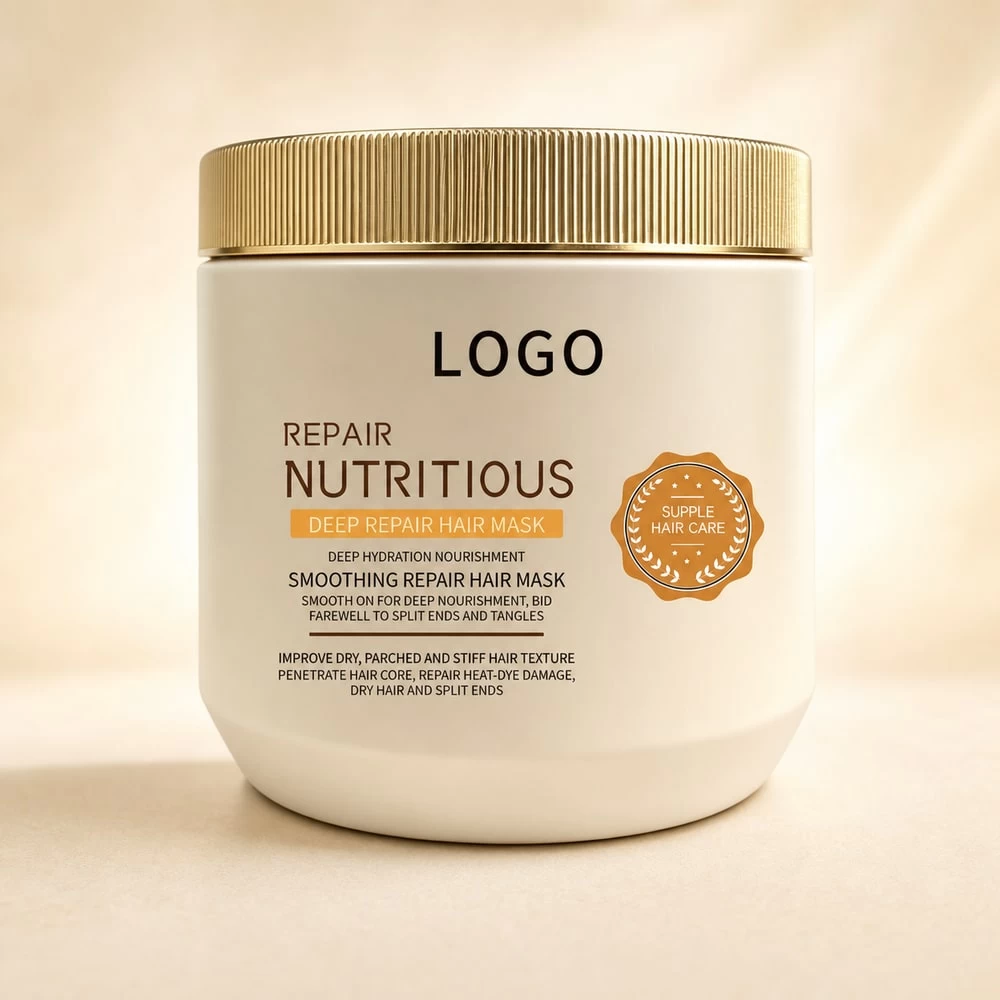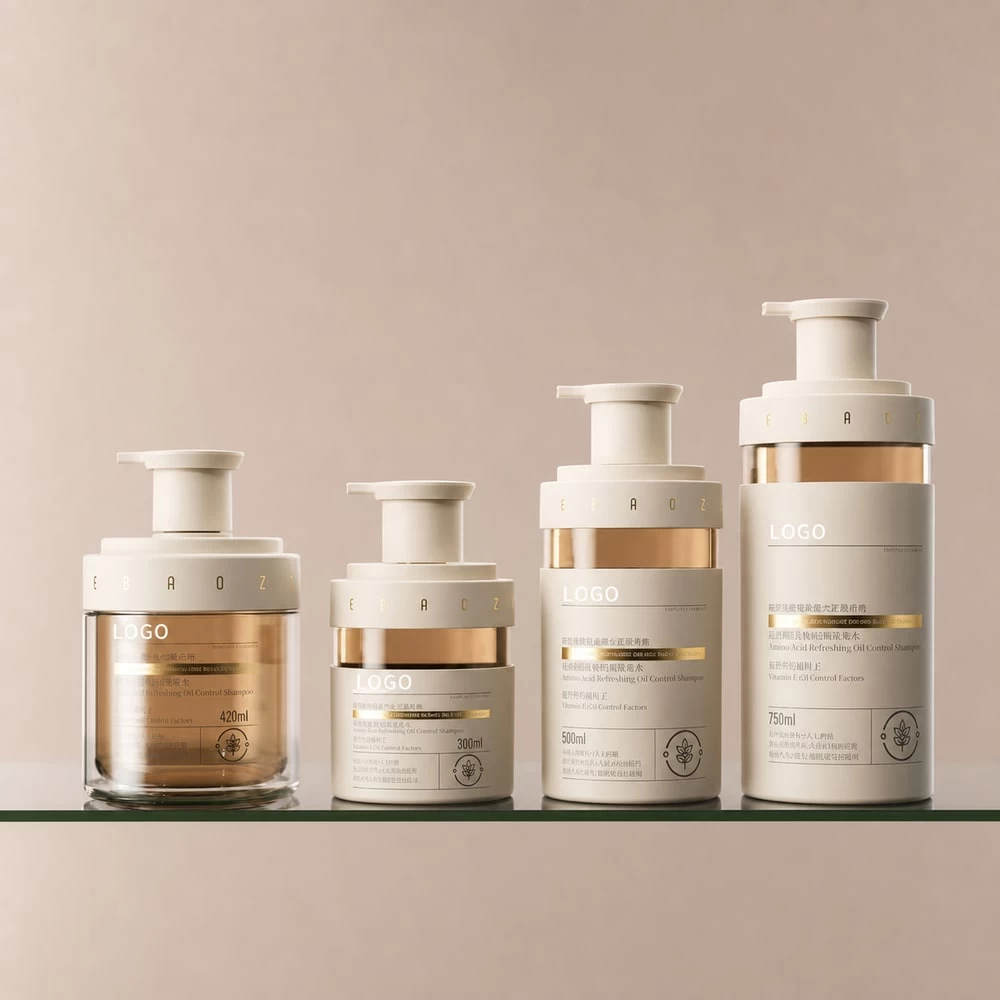

Câu trả lời nhanh: Lựa chọn bao bì chăm sóc cá nhân nên bắt đầu từ lưu lượng công thức, mẫu sử dụng, liều lượng, vật liệu tiếp xúc, trang trí, phân phối và kênh. Một bao bì trông có vẻ phù hợp trong bản thiết kế có thể vẫn bị rò rỉ, tắc nghẽn, biến dạng, trầy xước hoặc tạo ra tồn kho linh kiện dư thừa.
Phù hợp bao bì với hành vi của công thức
Xem xét độ nhớt, độ trong suốt, màu sắc, hương liệu, hàm lượng hạt, độ nhạy cảm với không khí và cách sản phẩm phục hồi sau khi phân phối. Những thuộc tính này ảnh hưởng đến lỗ, ống nhúng, động cơ bơm, độ cứng của chai, lớp laminate của ống và miệng lọ.
Yêu cầu nhà cung cấp đánh giá công thức cuối cùng trong bao bì đề xuất. Không chọn nắp từ một bức ảnh mà không xác nhận hoàn thiện cổ chai, độ vừa vặn, liều lượng và khả năng tương thích.
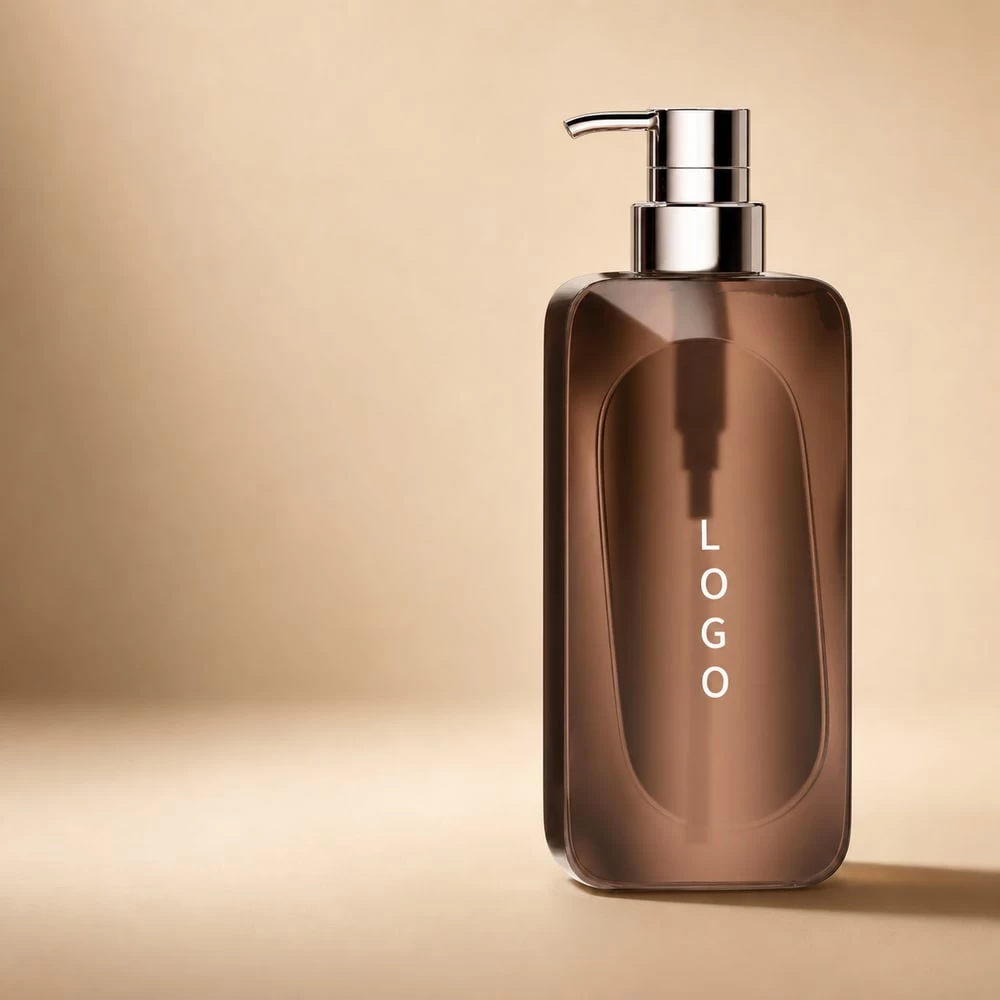
Lựa chọn bao bì chăm sóc cá nhân theo định dạng
| Định dạng | Hữu ích cho | Điểm cần chú ý |
|---|---|---|
| Chai bơm | Dầu gội, dầu xả, sữa tắm | Khởi động, liều lượng, khóa, nhỏ giọt, độ dài ống nhúng |
| Ống bóp | Điều trị, mặt nạ, kem | Niêm phong, lớp vỏ, laminate, dư lượng nắp |
| Lọ miệng rộng | Mặt nạ và kem dày hơn | Lớp lót, mô-men xoắn, vệ sinh, vận chuyển |
| Chai vòi | Chất lỏng và điều trị mục tiêu | Kiểm soát lưu lượng, niêm phong nắp, tắc nghẽn |
Thêm trang trí và logistics vào quyết định
Khu vực trang trí, độ cong nhãn, xử lý bề mặt, độ dung sai màu sắc, độ vừa vặn của thùng carton, hiệu quả pallet và rủi ro hư hại ảnh hưởng đến sản phẩm thực tế khi đến nơi. Yêu cầu bản vẽ hoặc thông số kỹ thuật linh kiện trước khi bắt đầu thiết kế nghệ thuật.
Một khuôn tùy chỉnh có thể tạo ra sự khác biệt nhưng sẽ thêm các câu hỏi về công cụ, phê duyệt, quyền sở hữu, bảo trì và số lượng tối thiểu. So sánh nó với một bao bì tiêu chuẩn bằng cách sử dụng phạm vi thương mại đầy đủ.

Chuỗi phê duyệt bao bì
- Sàng lọc các định dạng theo yêu cầu của công thức và sử dụng.
- Xác nhận kích thước, hoàn thiện cổ chai, nắp, vật liệu và nhà cung cấp.
- Xem xét các mẫu chưa trang trí với công thức.
- Phê duyệt thiết kế nghệ thuật trên các linh kiện có ý định sản xuất.
- Hoàn thành các kiểm tra tương thích và phân phối áp dụng.
- Đóng băng danh tính linh kiện trước khi mua.
Câu hỏi thường gặp của người mua
Có phải bơm luôn là lựa chọn đúng cho dầu gội không?
Không. Định dạng phù hợp phụ thuộc vào độ nhớt, liều lượng, kênh, kích thước đổ đầy, chi phí, môi trường sử dụng và nhu cầu vận chuyển.
Liệu một chai có thể chứa các biến thể dầu gội và sữa tắm không?
Có thể, nhưng mỗi công thức phải được đánh giá về khả năng phân phối, tương thích, trình bày đổ đầy và độ chính xác nhãn.
Khi nào nên bắt đầu thiết kế nghệ thuật?
Sau khi kích thước, khu vực in, danh tính linh kiện và phương pháp trang trí được xác nhận. Sử dụng một đường nét hoặc bản vẽ đã được phê duyệt.
Người mua nên hỏi gì về các khuôn tùy chỉnh?
Làm rõ chi phí công cụ, quyền sở hữu, phê duyệt mẫu, bảo trì, lưu trữ, độc quyền, thời gian giao hàng và số lượng tối thiểu.
Có thể thay đổi bao bì sau khi thử nghiệm không?
Một thay đổi về vật liệu, nhà cung cấp, hình dạng, nắp, trang trí hoặc đổ đầy có thể yêu cầu xem xét thêm.
Gửi một bản tóm tắt dự án sẵn sàng báo giá
Đối với lựa chọn bao bì, cung cấp loại sản phẩm, lưu lượng và hình thức công thức, môi trường sử dụng, liều lượng, thể tích đổ đầy, định dạng ưa thích, trang trí, phạm vi đặt hàng, nhu cầu thùng carton và vận chuyển, quốc gia đích và mục tiêu giao hàng.