Quick answer: Cosmetic vs. drug claims in the United States turn on intended use, not just the formula name. Hair-care language that cleanses, beautifies, or changes appearance may remain cosmetic, while claims to treat disease or affect body structure or function can place the product in drug territory.
Intended use appears across the whole offer
FDA evaluates claims on labels and in other materials, including websites and advertising. Product names, testimonials, before-and-after framing, directions, icons, and seller statements can all communicate intended use.
A cosmetic formula does not neutralize a drug claim. Review the entire customer-facing message before samples and artwork are finalized.
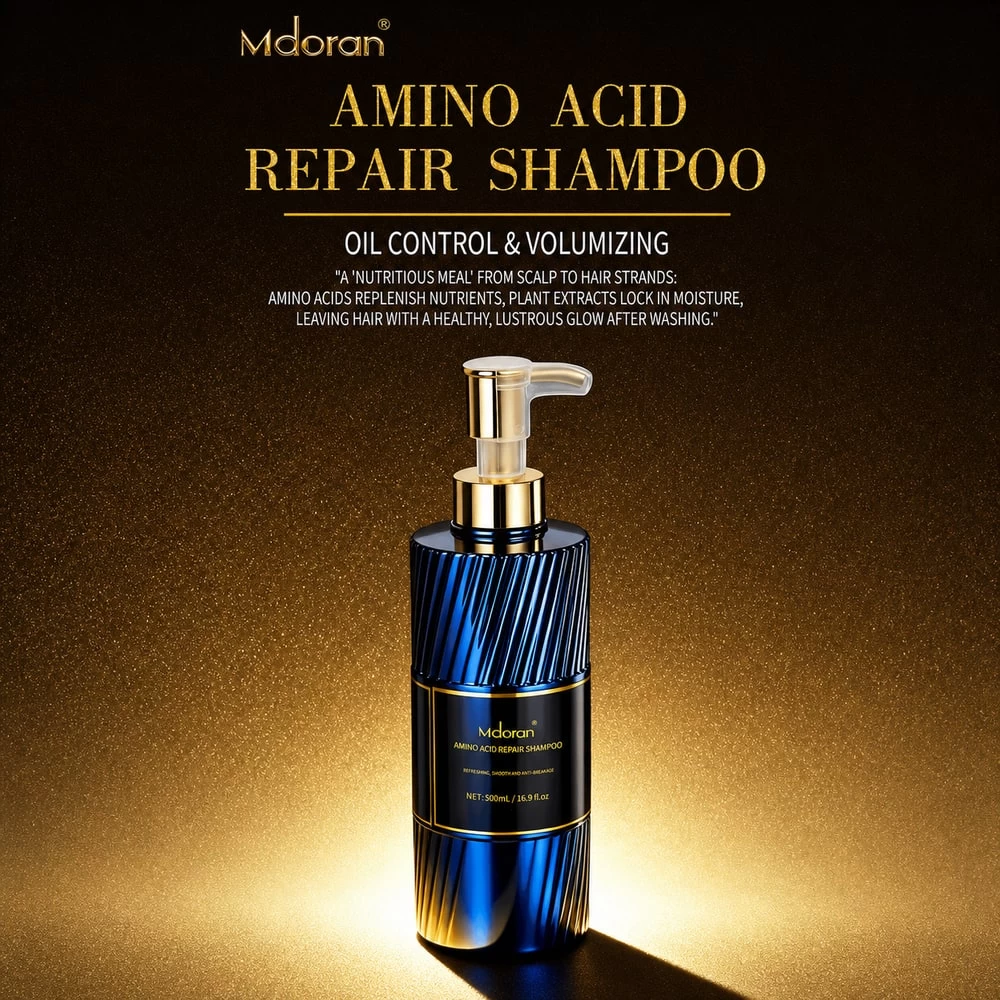
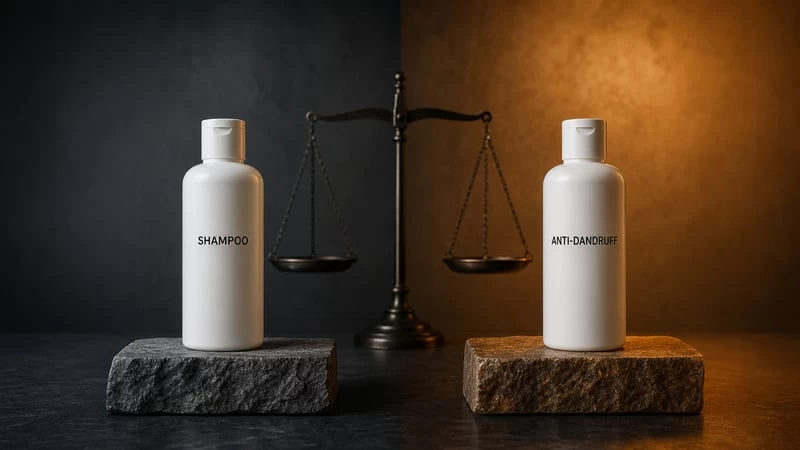
Cosmetic vs. drug claims in hair care
| Marketing direction | Why to review | Buyer action |
|---|---|---|
| Cleanses or improves appearance | May fit cosmetic intended use when truthful | Confirm formula support and wording |
| Treats dandruff | Dandruff treatment is a drug claim in the U.S. | Assess applicable OTC drug requirements |
| Restores hair growth | Implies effect on body structure or function | Do not treat as ordinary cosmetic copy |
| Repairs the look of damaged hair | Appearance wording may differ from biological repair | Keep language accurate and supported |
Build a claim review gate
- List every proposed claim and where it will appear.
- Identify the intended U.S. regulatory category for each SKU.
- Match claims to the final formula and available support.
- Escalate disease and structure/function language for qualified review.
- Lock approved wording across package, website, ads, and sales tools.

Use FDA sources, not competitor labels
FDA explains that claims to treat or prevent disease or affect body structure or function can make a product a drug. Products that are both cosmetics and drugs must meet both sets of applicable requirements.
Competitor copy is not evidence that a claim is permitted. Requirements and enforcement context can change, so review current official sources and obtain advice for the final product.
Buyer FAQ
Is “anti-dandruff shampoo” an ordinary cosmetic claim?
No. Treating dandruff is a drug intended use in the United States and requires review of applicable OTC drug requirements.
Can adding a disclaimer fix a drug claim?
A disclaimer does not automatically change the intended use communicated by the product name, claims, directions, and marketing.
Is “repair” always a drug claim?
Context matters. Appearance-focused wording can differ from claims of biological repair or structural change, so review the exact statement.
Do ingredient benefits prove the finished-product claim?
Not automatically. Finished-product claims should match the formula, intended use, and available substantiation.
Who should approve claims?
Assign business, technical, and qualified regulatory or legal reviewers appropriate to the market and risk.
Send a quote-ready project brief
For a claim-screening brief, submit the product type, final formula status, proposed product name, package copy, website and ad claims, directions, target consumer, sales channels, destination market, launch date, and responsible reviewers.