Quick answer: Cosmetic quality documents should connect the approved product to its formula version, component identities, batch, release checks, and any required market file. Buyers need a project-specific document list, not a generic folder of certificates that do not identify the purchased SKU.
Request documents by purpose
| Purpose | Possible document | Buyer check |
|---|---|---|
| Define the product | Finished-product specification and approved reference | Does it match the purchased formula and pack? |
| Trace production | Batch identity and manufacturing records | Can the supplier connect output to materials and process? |
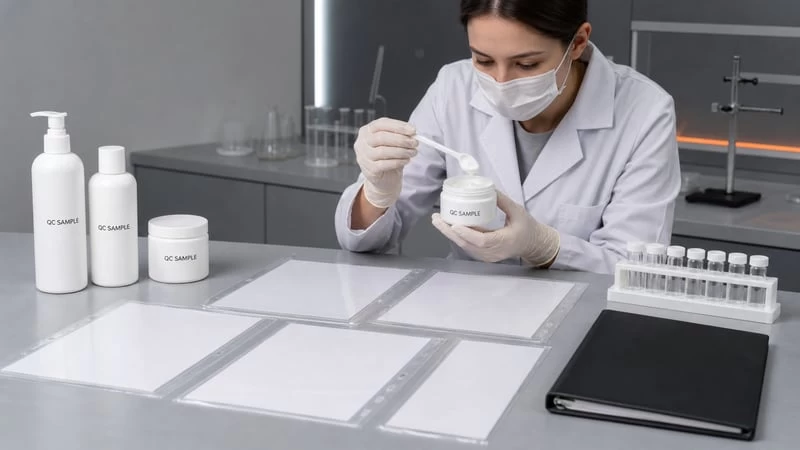
| Support release | Applicable test results or certificate of analysis | Are tests and limits tied to the specification? |
| Control change | Revision and change-notification process | Will material changes be reviewed before shipment? |
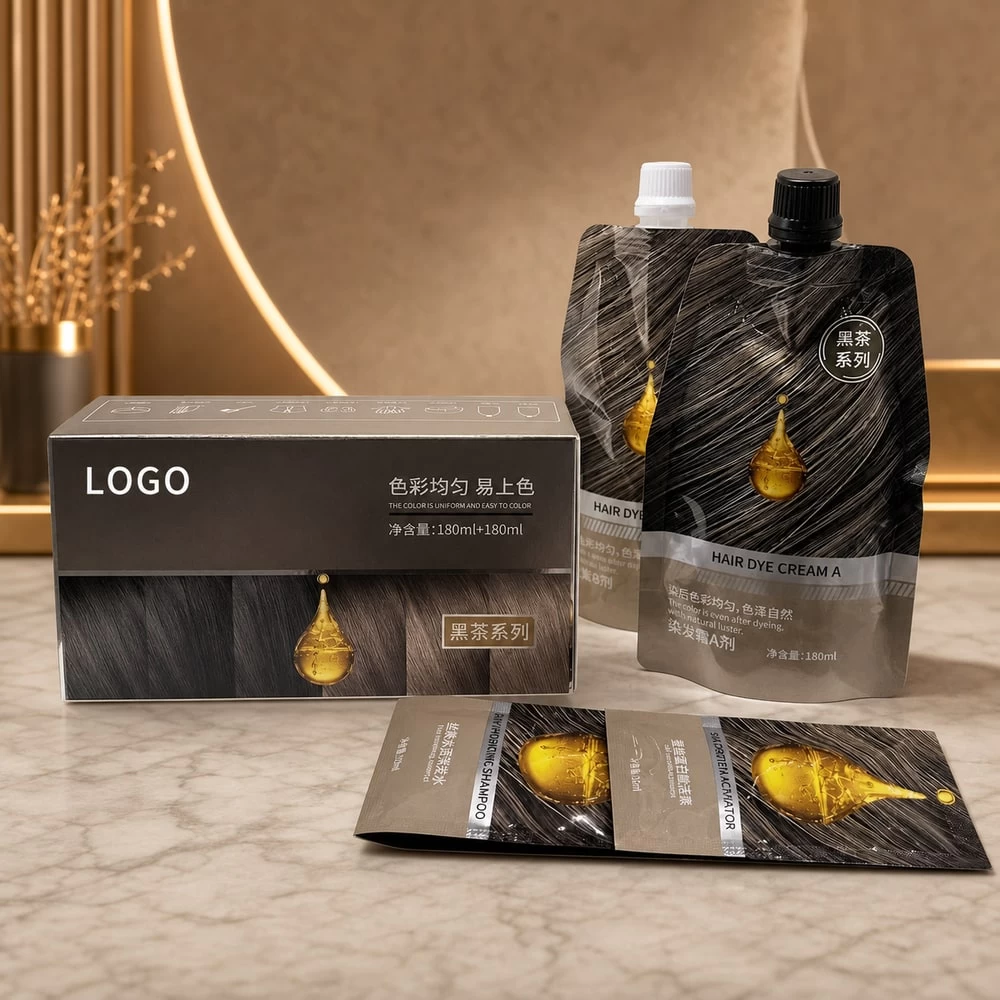
Cosmetic quality documents for the purchase file
The exact file depends on product, market, contract, formula, and buyer role. Ask for the current ingredient declaration, directions and warnings, packaging specifications, test plan or results as applicable, label approval, batch release evidence, and complaint contacts.
Confirm document names, language, revision date, product identity, and issuing party. A document for a similar base or old package may not support the final SKU.
Use the supplier’s control system as evidence
FDA’s cosmetics GMP inspection checklist discusses raw materials, written manufacturing instructions, in-process controls, laboratory controls, records, labeling, and complaint files. Buyers can use these categories to organize supplier questions without claiming that one checklist replaces a product-specific audit.
Request enough information to understand how deviations, rejected materials, rework, returns, and complaints are handled. Confidential formulas can be protected while still defining responsibilities and evidence.

Document mistakes that create false confidence
- Accepting expired or unrelated certificates
- Failing to match the product, batch, package, or supplier name
- Treating a marketing brochure as technical evidence
- Leaving test methods or acceptance limits undefined
- Not assigning ownership for U.S. market files and updates
Buyer FAQ
Is a certificate of analysis enough?
No single document covers formula approval, packaging, labeling, change control, release, and market responsibilities. Build a project-specific file.
Can buyers request the full formula?
Formula disclosure depends on the agreement and regulatory needs. Define what the responsible parties require and how confidential information will be handled.
Should documents be requested before the first order?
Identify the required list during supplier qualification and confirm final versions before release or shipment as applicable.
How are document revisions controlled?
Ask for version numbers or dates, approval status, change notification, and a method to replace obsolete copies.
What if a required parameter is not available?
Do not invent it. Record the gap, its impact, the responsible party, and when it must be resolved.
Send a quote-ready project brief
To prepare a document request, submit the product type, final formula and package status, target market, buyer and label-owner roles, required tests, order quantity, destination, inspection plan, and deadline for the commercial file.