Quick answer: A useful body wash formula brief defines the cleansing experience, skin feel, fragrance, appearance, viscosity, package, claim boundaries, and commercial constraints. It should tell the OEM what success looks like without dictating unverified ingredients or copying another brand’s label.
Describe the user experience in plain language
State the intended skin-feel direction, foam profile, rinse character, fragrance style, color, and visual clarity. Include the target use setting, such as daily shower, hotel amenity, salon retail, or another confirmed channel.
Avoid asking for contradictory attributes without priorities. For example, a very fluid clear gel and a heavy suspended visual effect may require tradeoffs, so identify which outcome matters more.
- Cleansing and post-rinse feel
- Foam amount, bubble size, and rinse speed
- Fragrance family and intensity direction
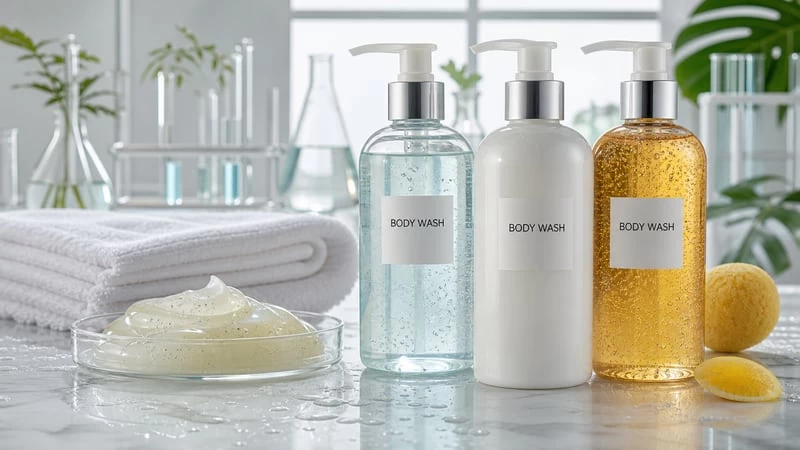
- Clear, pearly, opaque, or colored appearance
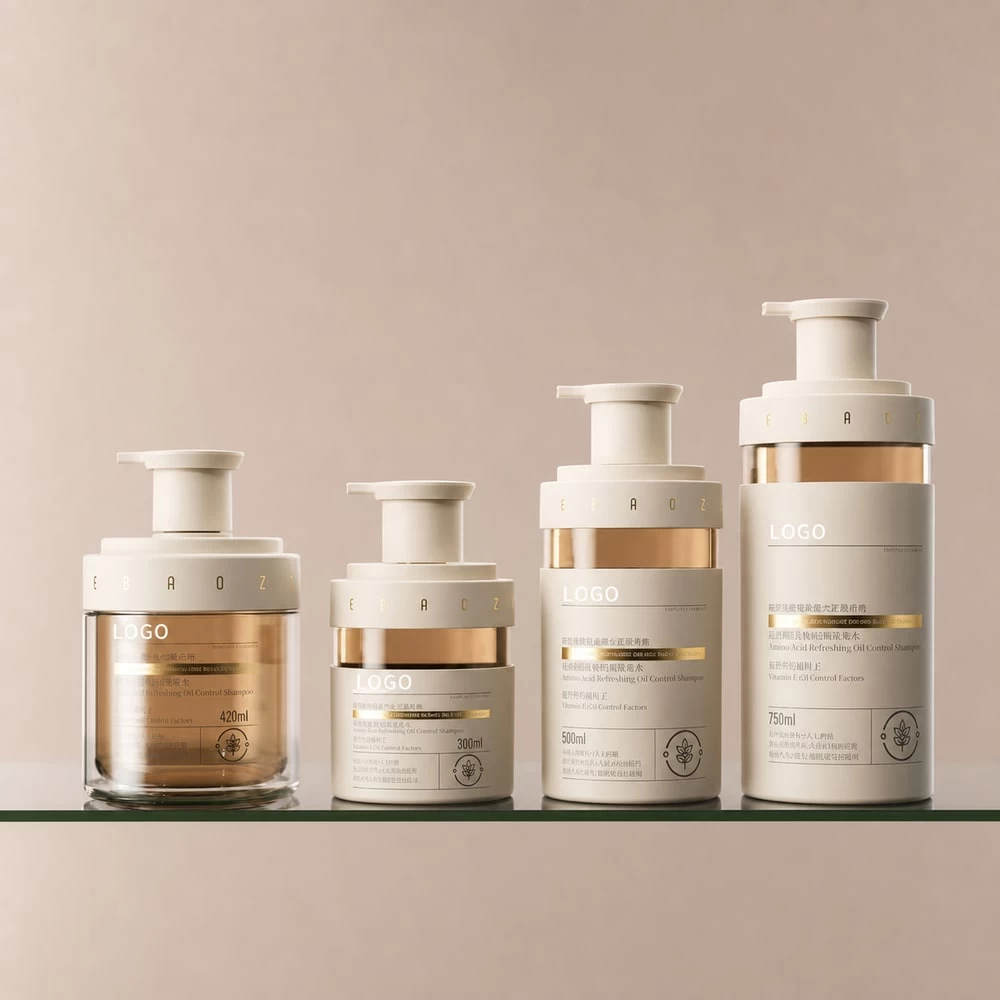
- Bottle, pump, fill volume, and decoration
Connect viscosity to the package
Viscosity cannot be approved in isolation. The formula must dispense through the selected pump or closure, recover after use, fill efficiently, and remain visually acceptable during the intended storage and shipping conditions.
Provide the package early enough for compatibility review. A late change to the pump, resin, label, or bottle geometry can reopen testing and delay artwork.
Create a controlled sample review
- Approve the brief and identify mandatory versus preferred attributes.
- Review the sample for appearance, odor, flow, lather, rinse, and after-feel.
- Test the sample in the proposed package.
- Consolidate feedback into one revision request.
- Approve the retained reference and production specification.

Claim and ingredient guardrails
Do not turn an ingredient preference into a finished claim automatically. Confirm the final formula, ingredient name, level of support, and U.S. product classification before approving labels or advertising.
If a requested claim could imply treatment or prevention of disease, pause the artwork review and evaluate the regulatory category. Cosmetic claims must be truthful and not misleading.
Buyer FAQ
Should a body wash brief name exact surfactants?
Only if a specific ingredient is a confirmed requirement. Otherwise describe the target experience and restrictions, then review the proposed formula.
Can the fragrance be approved in a separate sample?
A fragrance oil strip can help screen directions, but final approval should occur in the body wash base and package.
When should packaging compatibility be planned?
As soon as the likely bottle, closure, label, and formula are available. Confirm the supplier’s proposed protocol for the final system.
Can buyers specify an exact shelf life in the first email?
Treat shelf life as a requirement to be confirmed, not an assumed fact. Ask what data and conditions support the final statement.
What quantity should be included?
Provide a realistic order range by SKU and destination. The supplier can then confirm project-specific minimums and pricing assumptions.
Send a quote-ready project brief
For a body wash development review, submit the intended user and channel, cleansing and after-feel targets, fragrance direction, visual and viscosity preferences, bottle and pump, fill size, customization, order range, packing, destination, and delivery target.