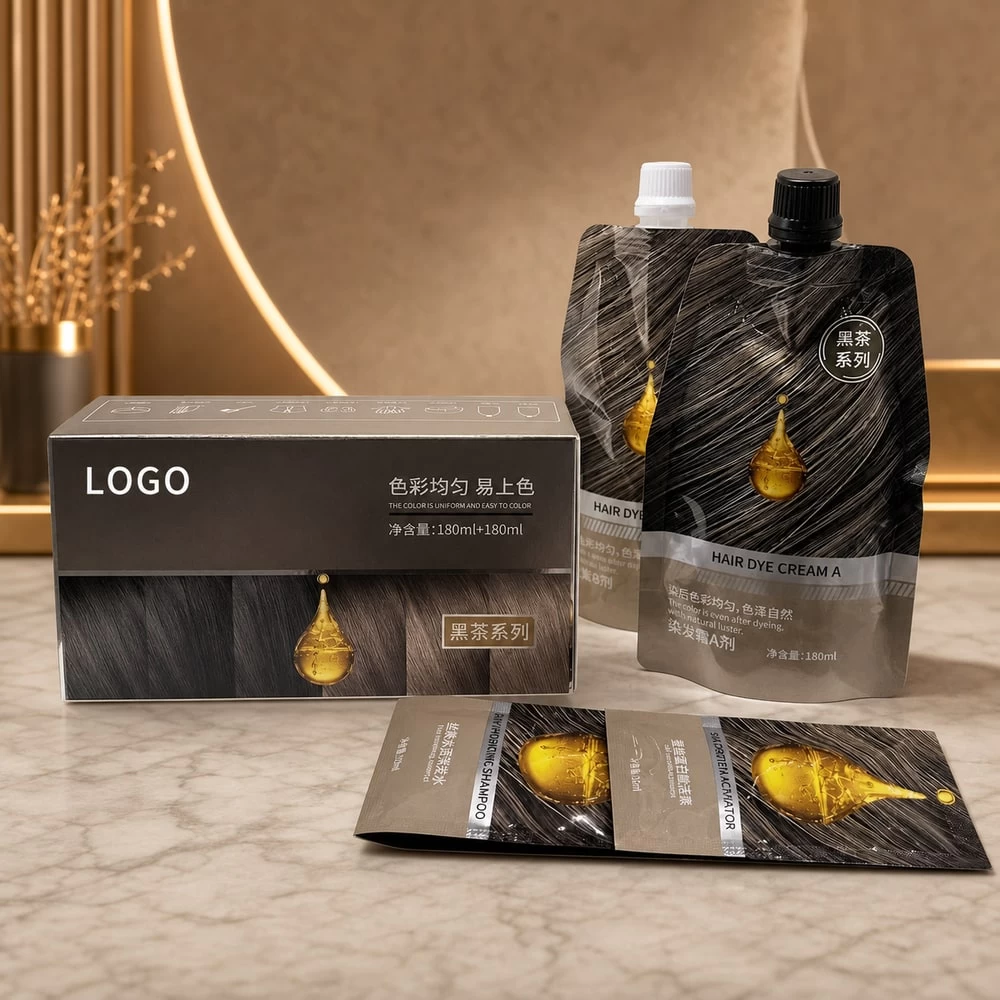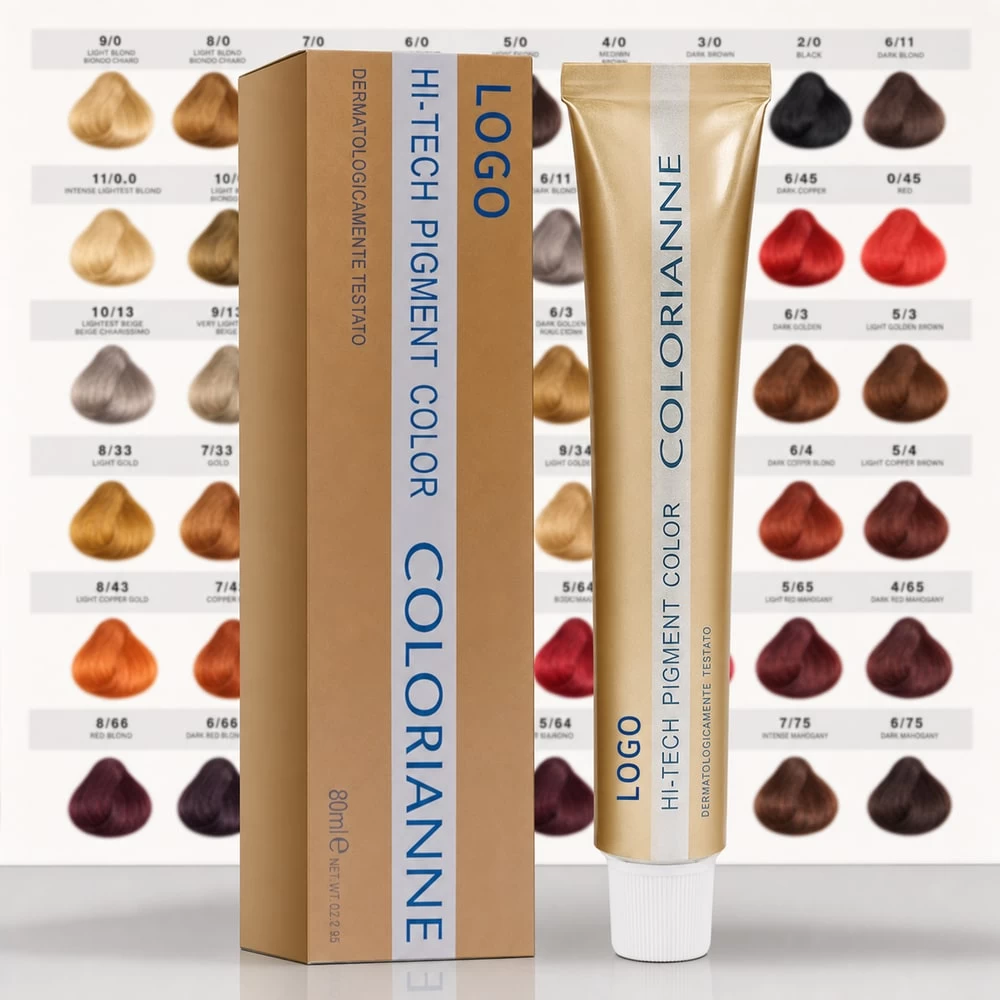
إجابة سريعة: يجب أن تغطي مجموعة ألوان صبغة الشعر بالجملة احتياجات العملاء الواضحة دون إنشاء عدد كبير من وحدات SKU ذات الحجم المنخفض. يحتاج المشترون إلى هيكل عائلي للألوان، وظروف بدء محددة، ومراجع مادية، وتسمية محكومة، وتفريق التعبئة، وخطة طلب تعترف بأن كل لون هو قرار إنتاج ومخزون منفصل.
بناء العائلات قبل الألوان الفردية
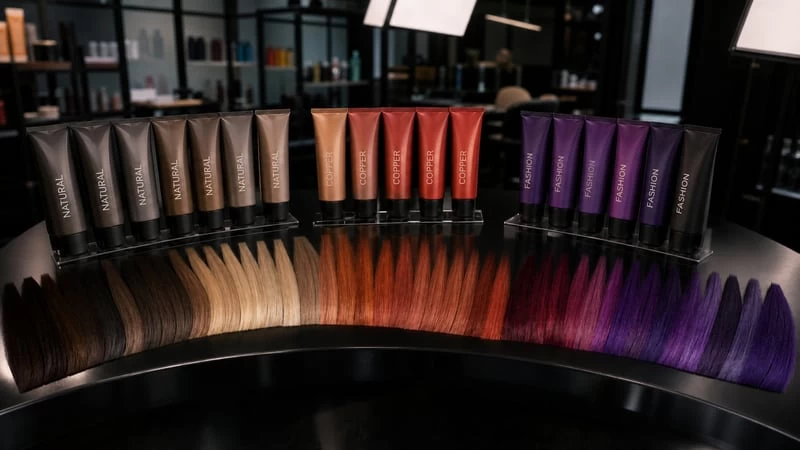
نظم المجموعة حول التغطية الطبيعية، والألوان الدافئة، والألوان الباردة، وألوان الموضة، أو عائلات أخرى ذات صلة بالقناة. ابدأ بالألوان التي من المرجح أن يعيد المشترون طلبها، ثم أضف امتدادات تخلق غرضًا تجاريًا مميزًا.
تجنب إطلاق العديد من الألوان المتشابهة لجعل المخطط يبدو أكبر. يمكن أن تقسم الألوان المتشابهة الحجم، وتعقد التنبؤ، وتزيد من تعرض الأعمال الفنية والمكونات.
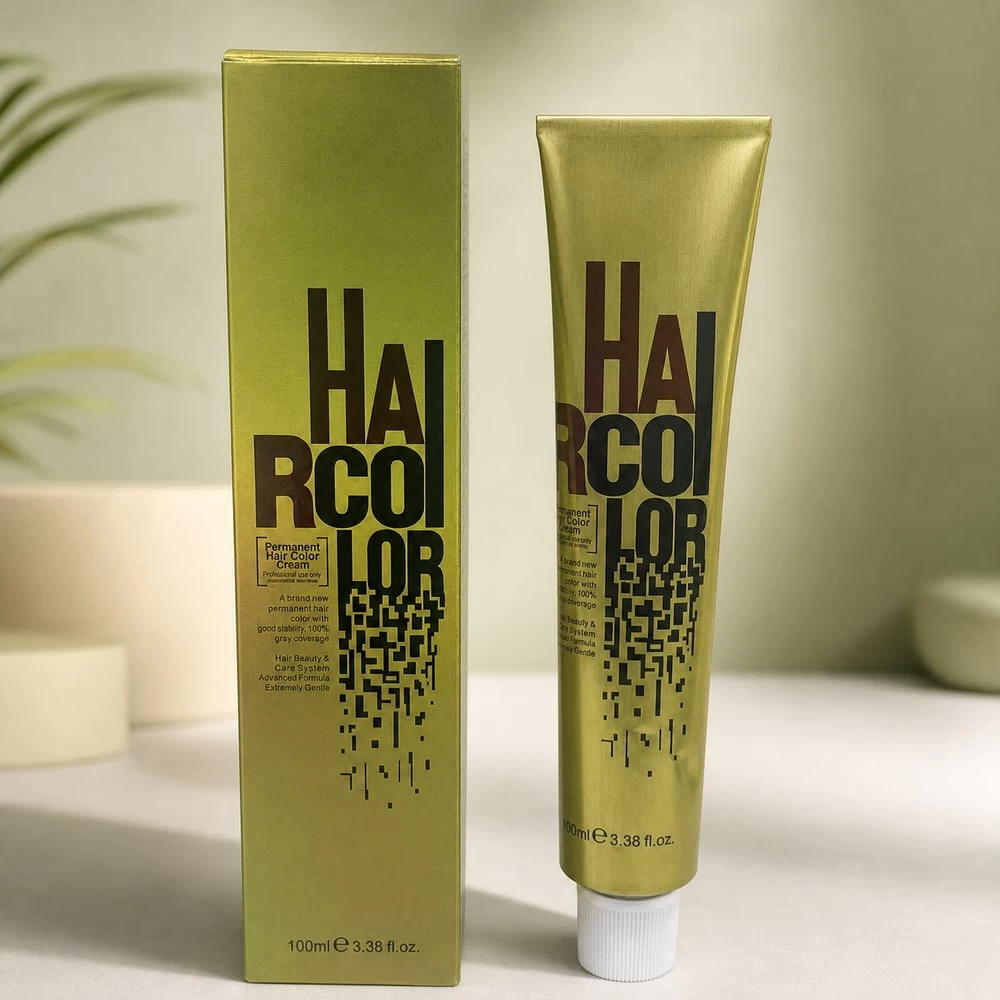
جدول قرارات مجموعة ألوان صبغة الشعر بالجملة
| القرار | حدد قبل أخذ العينات | أدلة الموافقة |
|---|---|---|
| حالة البداية | مستوى الشعر، التاريخ، نسبة الشيب إذا كان ذلك ذا صلة | المادة المسجلة أو الخصلة |
| النتيجة المستهدفة | عائلة اللون، العمق، الاتجاه المرئي | مرجع مادي تحت ضوء محكوم |
| النظام | المكونات المرافقة والتوجيهات | عينة كاملة الاستخدام معتمدة |
| هوية التعبئة | اسم اللون، الرمز إذا تم استخدامه، التمييز البصري | الأعمال الفنية النهائية ووحدة التعبئة |
التحكم في الموافقة على الألوان
- حدد ظروف الشعر والتطبيق الابتدائية.
- قارن العينات المادية تحت إضاءة متسقة.
- سجل الصيغة وإصدارات مرجع اللون.
- راجع التسمية، إشارات التعبئة، المكونات، التوجيهات، والتحذيرات.
- احتفظ بالمراجع المعتمدة لمقارنة الإنتاج.

توازن التشكيلة والمخزون
تنبأ حسب اللون، وليس فقط حسب حجم المجموعة الكلي. اسأل كيف تؤثر الحد الأدنى للدفعات، والأنابيب، والصناديق، والمكونات المشتركة، والطباعة الخاصة باللون على الطلب الأولي والتجديد.
يمكن أن يحقق الإطلاق المرحلي الطلب قبل إضافة الألوان طويلة الذيل. لا تعلن عن التوافر أو أوقات التسليم حتى يؤكد المورد خطة SKU النهائية.
أسئلة متكررة للمشترين
كم عدد الألوان التي يجب أن تطلقها مجموعة جديدة؟
لا يوجد عدد عالمي. استخدم احتياجات القناة، وطلب المشترين، والفجوات التنافسية، والحد الأدنى للدفعات، وسعة المخزون.
هل يمكن الموافقة على نتائج الألوان من الصور؟
تساعد الصور في النقاش، لكن المراجع المادية تحت ظروف محكومة أكثر موثوقية للموافقة.
هل يجب أن تستخدم كل لون لون صندوق مختلف؟
ليس بالضرورة. استخدم نظامًا واضحًا، وقابل للطباعة، ومحكوم دون خلق تعقيد غير ضروري في المكونات.
هل يمكن أن تشترك الألوان العصرية والطبيعية في قاعدة واحدة؟
يمكن أن يستخدم المورد أنظمة ذات صلة، لكن كل لون نهائي وظروف استخدام تحتاج إلى مراجعة وموافقة خاصة بها.
كيف يجب التخطيط لإعادة الطلبات؟
تتبع المبيعات والمخزون حسب اللون، وتوافر المكونات، والحد الأدنى للدفعات، وتوقيت التجديد.
إرسال ملخص مشروع جاهز للاقتباس
لتخطيط مجموعة ألوان الشعر، قدم القناة المستهدفة والمستخدمين، وعائلات الألوان ذات الأولوية، وظروف الشعر الابتدائية، والمراجع المادية، ومكونات النظام، وصيغة الأنبوب أو المجموعة، والكمية حسب اللون، والتعبئة، وبلد الوجهة، وجدول الإطلاق.