
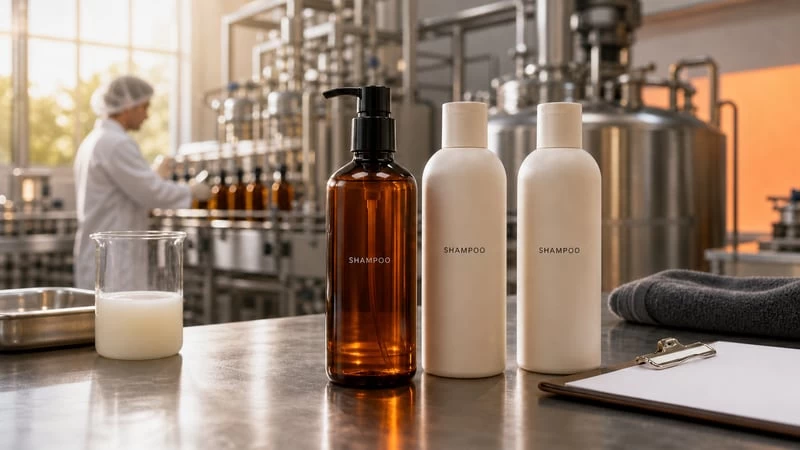
Quick answer: Evaluate a private label shampoo manufacturer by testing its ability to translate a precise formula brief into repeatable samples, compatible packaging, controlled production, and usable documentation. A polished catalog is not enough; buyers need evidence that the supplier can manage the full product system from formula through packed goods.
Start with the product brief, not the supplier catalog
Define the hair type, wash frequency, sensory target, fragrance direction, package format, target fill volume, and markets before requesting a quote. If the brief only says “moisturizing shampoo,” suppliers will make different assumptions and their prices will not be comparable.
Separate required attributes from preferences. A required pump format or an excluded ingredient affects development differently from a preferred color or viscosity, so label each item clearly.
- Hair and scalp profile the formula is intended to support
- Rinse feel, foam character, viscosity, color, and fragrance direction
- Bottle, closure, fill volume, decoration, and secondary packaging
- Target market, claim language, and required label languages
- Expected order range rather than an invented fixed MOQ
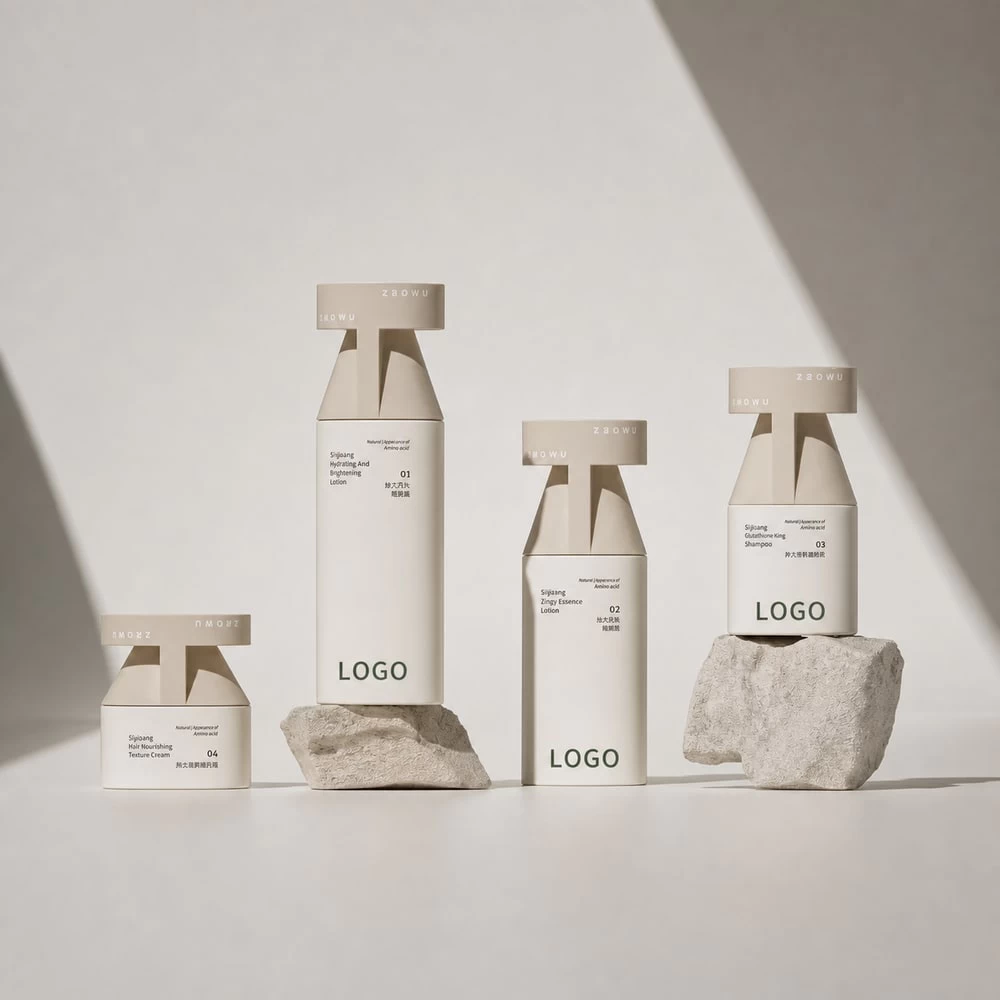
Private label shampoo manufacturer evaluation points
Ask how the supplier controls raw-material identity, batch instructions, in-process checks, filling, label verification, and finished-product release. The answer should describe a workflow and the records that accompany it, not a string of broad quality adjectives.
Compare the sample and commercial-batch process. A sample made by hand can feel different after scale-up, so ask which attributes will be rechecked when the formula moves to production equipment.
| Area | Useful evidence | Buyer decision |
|---|---|---|
| Formula development | Written brief, revision history, approved reference sample | Can changes be traced and approved? |
| Quality control | Defined checks and acceptance criteria for the project | Are results tied to the final specification? |
| Packaging | Compatibility and dispensing review | Will the formula work in the chosen pack? |
| Production | Batch identification and release process | Can the supplier isolate and investigate a problem? |
Use samples to close measurable gaps
Evaluate samples under the intended use conditions and record observations in a consistent scorecard. Keep one approved reference sample and confirm that fragrance, color, viscosity, lather, rinse feel, and package function match the agreed target.
Do not approve a formula and packaging separately when they will be sold together. The pump, bottle geometry, label stock, and filled formula must be reviewed as one commercial system.
- Approve the written brief and identify non-negotiable requirements.
- Review the first sample against a consistent scorecard.
- Consolidate feedback into one revision request.
- Approve the formula and packaging combination.
- Confirm the production specification and release documents.

Common sourcing mistakes
Choosing by the lowest unit quote before the formula, pack, decoration, and test scope are fixed creates false comparisons. Another common error is accepting marketing claims before checking that the wording fits the formula, evidence, and U.S. regulatory category.
Avoid sending conflicting comments from several team members. A single buyer-side owner should issue the approved brief, revision notes, and final sign-off.
Buyer FAQ
Can one manufacturer make several shampoo variants?
Often yes, but each variant needs its own confirmed formula, packaging combination, label review, and commercial terms. Ask the supplier to identify which components can be shared.
Should a buyer request a stock formula or custom development?
A stock base can shorten development, while a custom brief offers more control. Compare the level of exclusivity, allowed modifications, test scope, and ownership terms before choosing.
What should be approved before ordering packaging?
Approve the package type, resin or material choice, closure, decoration area, fill volume, and compatibility plan. Do not order decorated components from an unapproved drawing.
How many samples are normally needed?
There is no universal number. The required rounds depend on how specific the brief is and how much the formula or packaging changes during review.
What information makes a shampoo quote useful?
Provide the formula direction, package format, fill volume, decoration, estimated quantity range, destination country, and requested documentation. Ask the supplier to state assumptions and exclusions.
Send a quote-ready project brief
For a comparable shampoo project review, submit the hair and scalp profile, formula direction, bottle and closure, fill size, customization needs, estimated purchase quantity, packing method, destination country, and target delivery window.