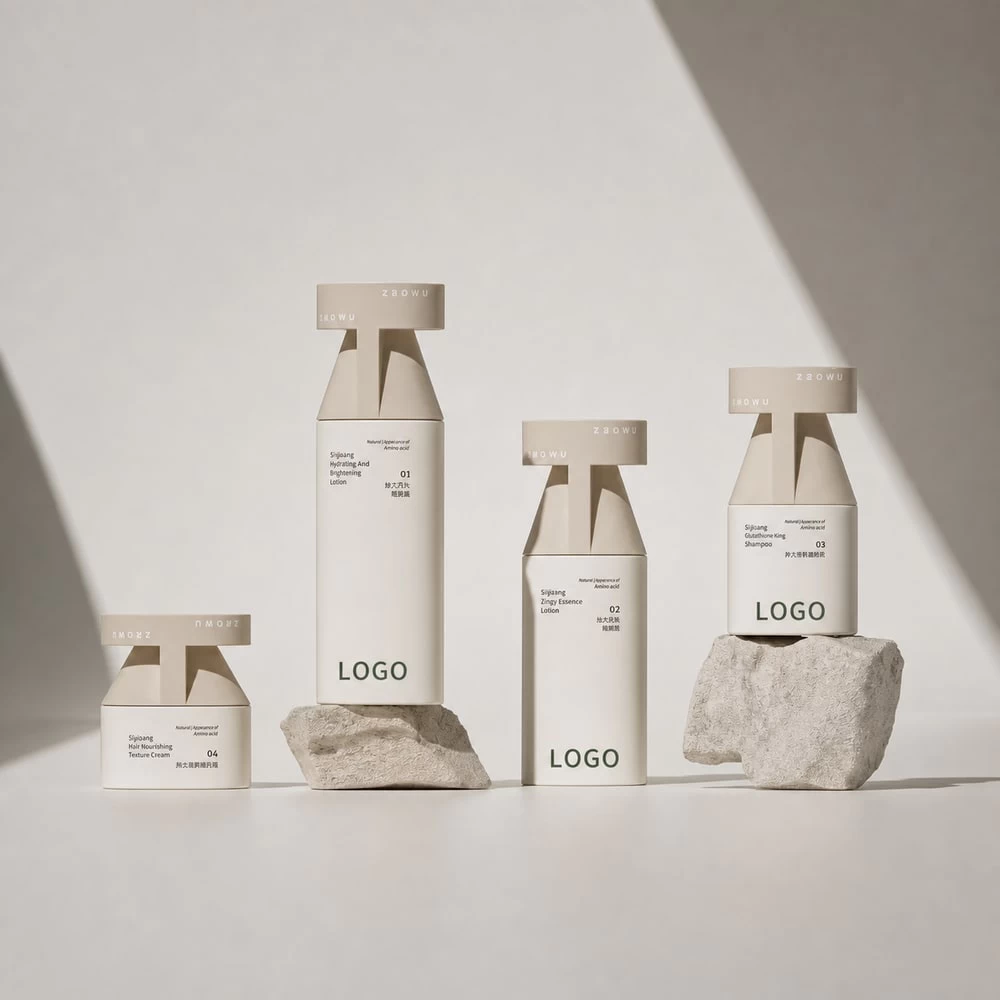
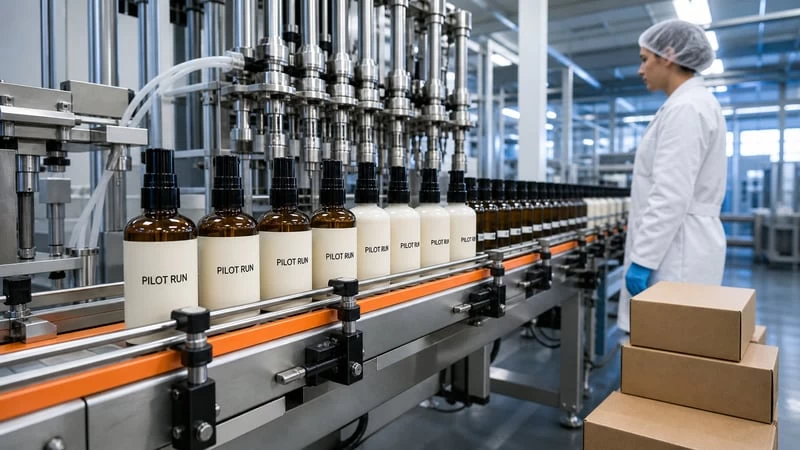
إجابة سريعة: تعتمد قرارات حد أدنى للطلب على مستحضرات التجميل وتشغيل الطيار على التركيبة، الحد الأدنى للمكونات، طريقة الزخرفة، معدات الدفعة، نطاق الاختبار، وعدد وحدات SKU التي تشترك في المواد. يجب على المشترين أن يطلبوا من الموردين فصل هذه العوامل بدلاً من اعتبار كمية واحدة عنوانًا ثابتًا.
لماذا تختلف الحدود الدنيا لمستحضرات التجميل
قد تحتوي دفعة التركيبة على حد أدنى عملي واحد بينما يحتوي البائع على زجاجة أو مضخة أو ملصق أو كرتون أو زخرفة على حد أدنى آخر. لا تساعد الكمية المنخفضة من التركيبة إذا كانت المكونات المطبوعة تتطلب شراء أكبر.
تقوم نطاقات الألوان وأنواع العطور أيضًا بتقسيم الحجم. اسأل عما إذا كان يمكن مشاركة المكونات وما إذا كانت المواد غير المستخدمة ستحتفظ بها أو تُعاد أو تُفرض رسوم عليها.
- الحد الأدنى العملي للدفعة للعملية النهائية
- الحد الأدنى للزجاجة، والإغلاق، والملصق، والأنبوب، والكرتون
- متطلبات إعداد الزخرفة وتغيير اللون
- عدد التركيبات، والألوان، والعطور، أو أحجام العبوات
- متطلبات الاختبار، والاحتفاظ بالعينة، والإفراج

عندما تضيف تشغيل الطيار قيمة
يمكن أن يكشف تشغيل الطيار عن مشكلات في التوسع، والتعبئة، والتوزيع، ووضع الملصقات، والتعبئة، أو التعامل مع الخط قبل الطلب الأكبر. يكون أكثر فائدة عندما تكون التركيبة النهائية والعبوة قريبة من الحالة التجارية ويتم تحديد خطة القبول.
تشغيل الطيار ليس تلقائيًا دفعة إنتاج جاهزة للسوق. تأكد مما إذا كانت الوحدات قابلة للبيع، وما هي السجلات والاختبارات التي تنطبق، وكيف سيتم استخدام النتائج.
قارن الاقتباسات على نفس الأساس
| خط الاقتباس | اطلب من المورد أن يوضح | السبب |
|---|---|---|
| التركيبة | كمية الدفعة والعمل المتضمن | يفصل المنتج بالجملة عن التعبئة |
| المكونات | الكمية المشتراة واستخدام الوحدة | يكشف عن التعرض للمواد الزائدة |
| الزخرفة | الإعداد، والألوان، والألواح، أو الأدوات | يحدد التكاليف لمرة واحدة وتكرارها |
| تشغيل الطيار | الغرض، والإنتاج، والاختبار، والتصرف | يمنع الافتراض بأن الوحدات تجارية |
التفاوض بدون وعود كاذبة
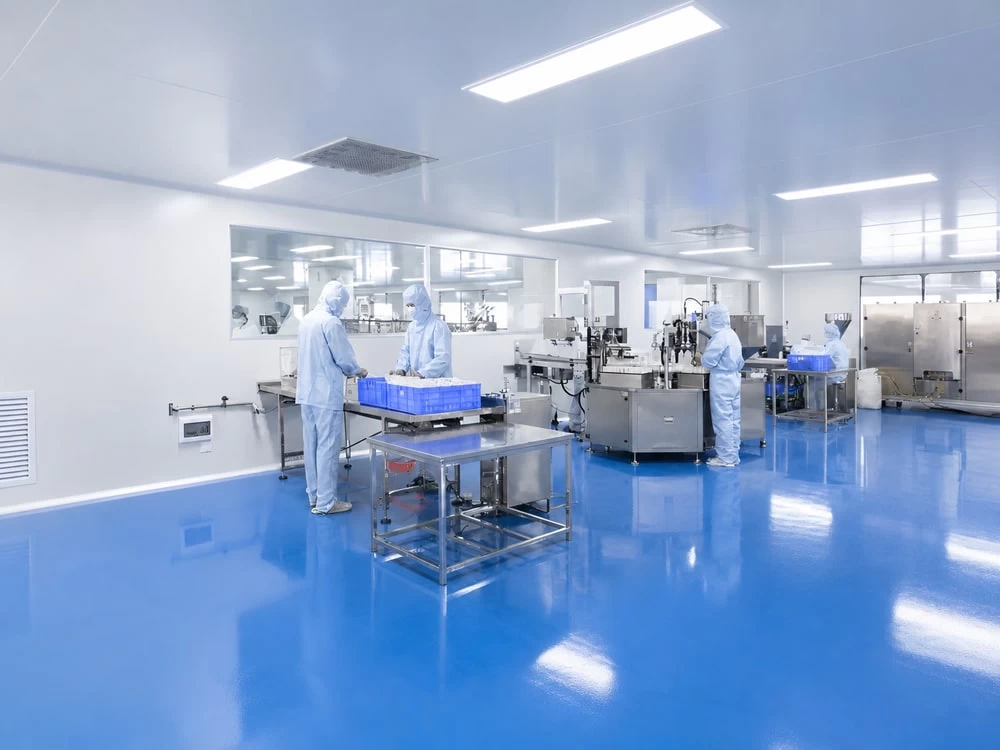
بدلاً من الطلب فقط لحد أدنى أقل، استكشف التعبئة المشتركة، وعدد أقل من المتغيرات عند الإطلاق، والمكونات القياسية، والإصدارات المرحلية، أو برنامج الطيار. كل خيار يغير التكلفة والمخاطر بشكل مختلف.
لا تعد بحجم سنوي للحصول على اقتباس ما لم يكن التوقع مدعومًا داخليًا. قدم نطاقًا واقعيًا واسأل كيف تتغير الأسعار عند كسر كميات محددة.
أسئلة شائعة للمشترين
هل هناك حد أدنى موحد لمستحضرات التجميل؟
لا. تعتمد الحدود الدنيا على التركيبة، والعملية، والمكونات، والزخرفة، وعدد وحدات SKU، والمورد. تأكد منها للمواصفات النهائية.
هل يمكن أن تشترك عدة ألوان في حد أدنى واحد؟
قد تشترك في بعض المكونات، لكن يمكن أن تحتوي كل تركيبة أو لون على متطلبات دفعة وتحكم خاصة بها. اطلب تقسيمها حسب SKU.
هل وحدات الطيار دائمًا قابلة للبيع؟
لا. تأكد من الحالة المقصودة، والاختبار، ووضع الملصقات، وتصرف الناتج التجريبي كتابةً.
ماذا يجب أن يحدث للعبوات الزائدة؟
اتفق على ما إذا كانت ستُخزن، أو تُشحن، أو تُتخلص منها، أو تُفرض رسوم عليها، وحدد الملكية وحدود التخزين.
كيف يمكن للمشتري تقليل التعقيد الأولي؟
أطلق عددًا أقل من المتغيرات، وشارك المكونات القياسية، وسهّل الزخرفة، وقدم توقعًا واضحًا دون تقديم التزامات غير مدعومة.
أرسل ملخص مشروع جاهز للاقتباس
للحصول على حد أدنى محدد للمشروع ومراجعة تشغيل الطيار، قدم عدد التركيبات، وتقسيم SKU، والعبوة والزخرفة، وحجم التعبئة، ونطاق الطلب المتوقع، وهدف التشغيل التجريبي، والاختبارات المطلوبة، وطريقة التعبئة، وبلد الوجهة، وتاريخ التسويق المستهدف.